Quick Answer
Stellar fishing in the northern Bahamas after Hurricane Dorian combines bonefish and permit on the flats, reef species and offshore targets with more than 5,700 square miles of reefs and flats around Abaco and Grand Bahama. Anglers can plan around documented seasonal methods, but careful attention to conservation and access conditions is important.
What Is Actually Established?
After several surveys, getting out fishing and hearing reports from other anglers, it appears the inshore and offshore fisheries weathered the storm well.
Abaco and Grand Bahama provide access to more than 5,700 square miles of reefs and flats on Little Bahama Bank, followed by a run to offshore waters.
Flats, Reef and Offshore Fishing Compared
| Fishing Area | Target Species | Suitable Methods | Evidence Quality | Habitat or Conservation Concern | Unresolved Condition |
|---|---|---|---|---|---|
| Flats | Bonefish and permit | Targeting bonefish and permit on the flats | Angler observation after Dorian | Mangroves serve as nursery habitat for many fish species | Consider current conservation information when choosing a trip |
| Reef | Snapper, hogfish and grouper | Spearfishing for hogfish and lobster | Angler observation after Dorian | Consider habitat degradation and fishing pressure | Check current formal stock information |
| Offshore | Tuna, mahi-mahi and dolphin | Heading offshore after dolphin and tuna | Angler observation after Dorian | Consider climate change and marine disease | Check current formal stock information |
How Does the Fishing Change Through the Year?
Winter fishing in the northern Bahamas includes high-speed trolling at the drop-off for wahoo and spearfishing for hogfish and lobster. Spring adds late-season wahoo, a stronger dolphin and yellowfin bite, blue and white marlin around Abaco, and bonefish and permit fishing on the flats.
Summer supports multi-day trips targeting tuna, hogfish, grouper, snapper, bonefish and permit, with deep dropping and spearfishing identified as effective methods. The same-day variety starts on the flats for bonefish, moves to the reefs for hogfish and lobster, and continues offshore for dolphin and tuna.
What Happened to Mangrove Habitat?
Hurricane Dorian heavily damaged mangrove habitat in Abaco and Grand Bahama. A post-storm survey found that 70 percent of Grand Bahama’s mangroves and 40 percent of Abaco’s mangroves were lost, according to the conservation group’s findings. Mangroves act as nursery habitat for many fish species and protect coastlines from erosion and storms.
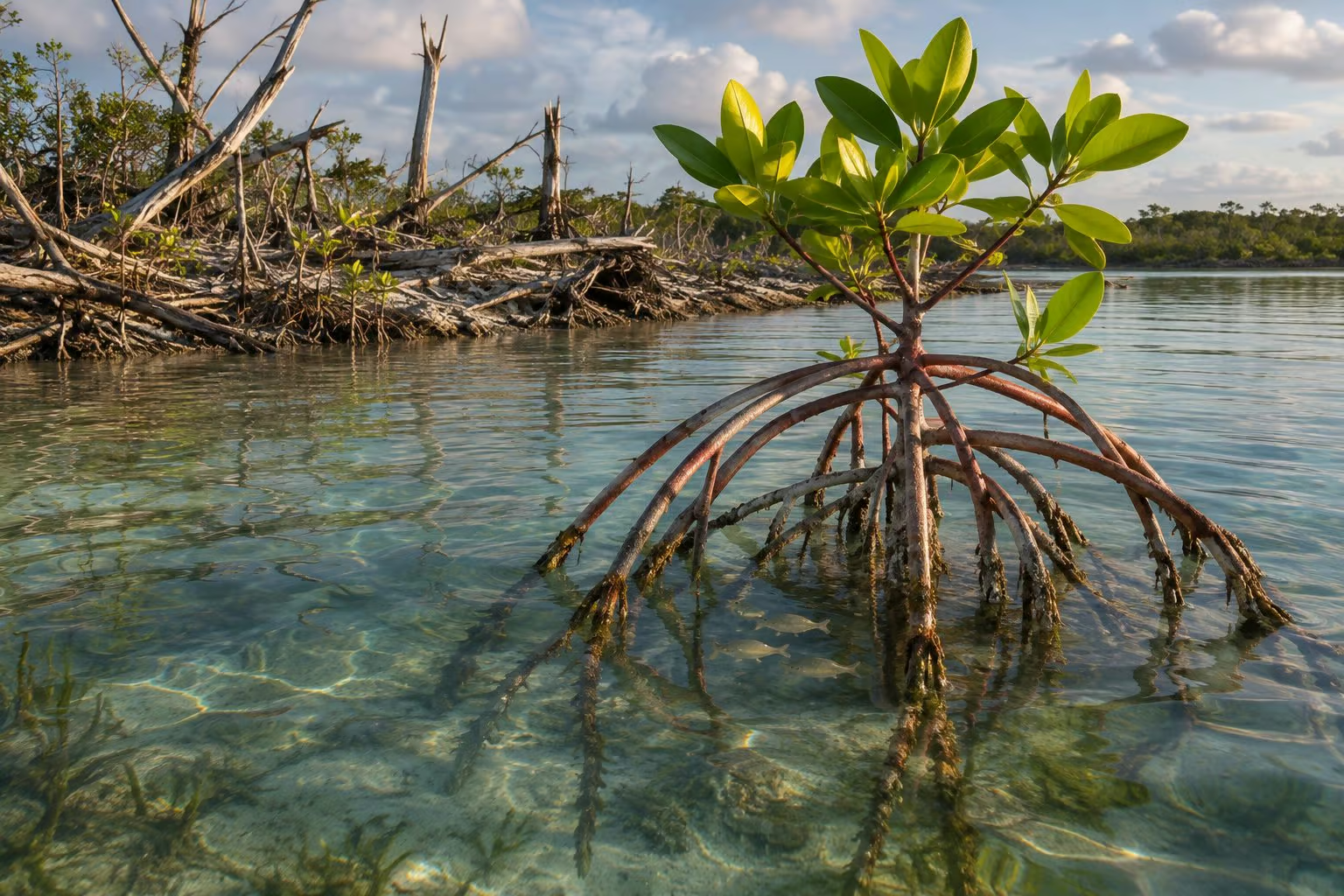
Restoration has continued. By the end of 2025, the Bahamas mangrove restoration effort had planted 576,000 mangroves, with support from fishing guides, students, community volunteers and industry leaders. The group also opened a nursery on Crooked Island capable of supporting 10,000 red mangrove seedlings annually.
In 2024, a memorandum of understanding with The Bahamas Ministry of Works set out restoration work for West Gap Creek and August Creek, two tidal creek systems on Grand Bahama’s East End affected by past development. The projects include removing the West Gap Creek Causeway and Snapper Island Causeway, which currently obstruct August Creek. Details appear in the group’s 2024 conservation update.
What Do Travelers Need to Know Before Going?
Commercial flights from Miami or Fort Lauderdale take 45 minutes, while boat journeys from the region take two to four hours depending on the destination. A later access indicator shows recovery continuing: in 2025, air arrivals to Grand Bahama increased by more than 30 percent compared with 2024, while sea arrivals increased by more than 90 percent compared with 2024 and by more than 100 percent over 2019 levels, according to the Government of The Bahamas.
Before departure, check current access and customs requirements, then confirm local fishing regulations for the target species and area.
What Does the Evidence Show About Fish Stocks?
Separate coastal research after Dorian examined seagrass abundance and contaminant loads across Abaco. Initial results described physical damage from terrestrial debris, seagrass loss and likely contaminant introduction. The work was presented by Louisiana Universities Marine Consortium researcher Stephanie Archer and coauthors, as detailed in the Abaco Science Alliance Conference research summary.
Cyclone Phailin Recovery and Cyclone Idai Fish Farming
Recovery from Cyclone Phailin in India’s Odisha coastal region offers a documented example of how fishing communities assessed household recovery after a major cyclone. A survey covered 300 fisherfolk families in six villages of Ganjam district, using data collected immediately after the cyclone in 2013 and again in 2014 and 2018. By 2018, 50.7 percent of families had recovered their incomes to pre-cyclone levels, according to the research findings.
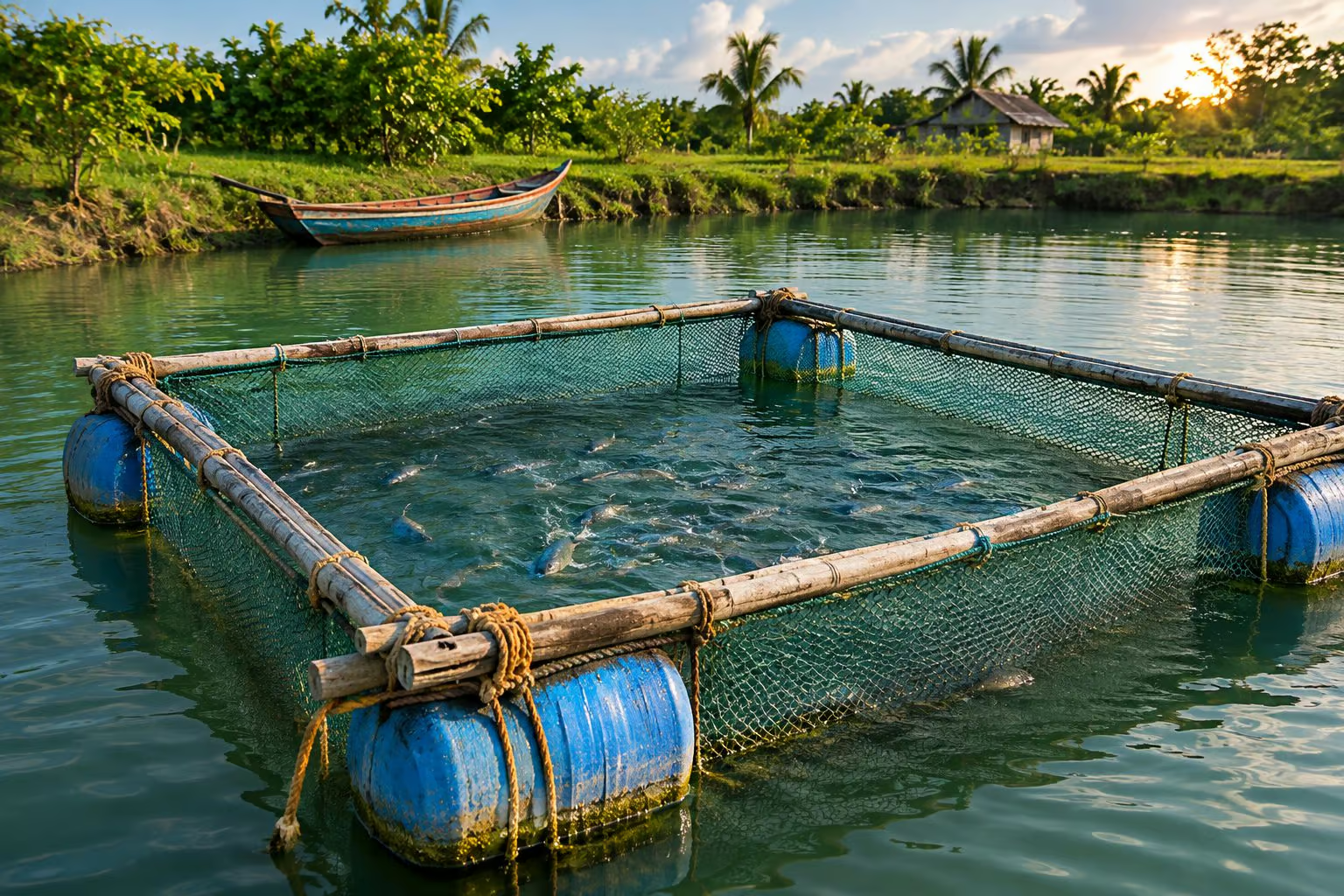
The cyclone made landfall near Gopalpur in Ganjam district on 12 October 2013, affected more than 12 million people and caused damage costing over 260 billion INR. After Cyclone Idai in 2019, a fish farming project was established for displaced fishermen to support livelihoods and resilience. The project received support from a multi-donor recovery and reconstruction fund, which also provided the lead assessment specialist for post-disaster needs coordination. That process led to an international donor conference in Beira that yielded US$1.3 billion in pledges, as reported in the project account.
Key Considerations
- Consider current conservation information when choosing a trip.
- Grand Bahama lost 70 percent of its mangroves and Abaco lost 40 percent, while 576,000 mangroves had been planted in the broader restoration effort by the end of 2025.
- Check current access and customs requirements, and confirm local fishing regulations for your target species and area.
What to Do Now
- Choose the season and target species for your planned trip.
- Review current Bahamian sport fishing permit requirements.
- Check current access and customs requirements.
- Confirm local fishing regulations for your target species and area.
- Carry appropriate gear for flats, reef spearfishing and offshore fishing.
FAQ
Did Hurricane Dorian End the Fishing in the Northern Bahamas?
Post-Dorian surveys, fishing trips and angler reports indicated that the inshore and offshore fisheries remained usable, with bonefish and permit available on the flats, snapper, hogfish and grouper present on the reefs, and tuna and mahi-mahi targeted offshore.
What Fish Can Anglers Catch in One Day in the Northern Bahamas?
Anglers can target bonefish on the flats, spearfish for hogfish and lobster on the reefs, and then fish offshore for dolphin and tuna.
When Is the Best Season to Fish the Northern Bahamas?
Winter includes wahoo at the drop-off and spearfishing for hogfish and lobster. Spring brings late-season wahoo, dolphin, yellowfin, marlin, bonefish and permit, while summer supports trips targeting tuna, hogfish, grouper, snapper, bonefish and permit.
How Much Mangrove Habitat Was Lost After Hurricane Dorian?
A post-storm survey found that 70 percent of Grand Bahama’s mangroves and 40 percent of Abaco’s mangroves were lost. By the end of 2025, the broader Bahamas restoration effort had planted 576,000 mangroves.
Are Bahamian Fish Stocks Recovering?
Consult current formal stock information and conservation guidance.